Congo Clothing Company
Congo Clothing Company began with a why, before it ever became a brand.
The Democratic Republic of Congo has some of the highest rates of sexual violence in the world, with an estimated 48 women assaulted every hour. Dr. Denis Mukwege, the 2018 Nobel Peace Prize laureate, has spent more than 25 years designing a holistic care model to support survivors efforts to rebuild their lives after this level of trauma in a country that suffers from a devastating armed conflicts.
Congo Clothing Company was born a mission-driven apparel brand with global appeal, raising awareness and resources by infusing universally worn garments with a Congolese flare.
OVERVIEWMilain Fayulu - Founder
Gabriela Molano - Photography
Andres Quintero - Photography
Knack - Production
MAF - Illustrations
FEATURED COLLABORATORSInception
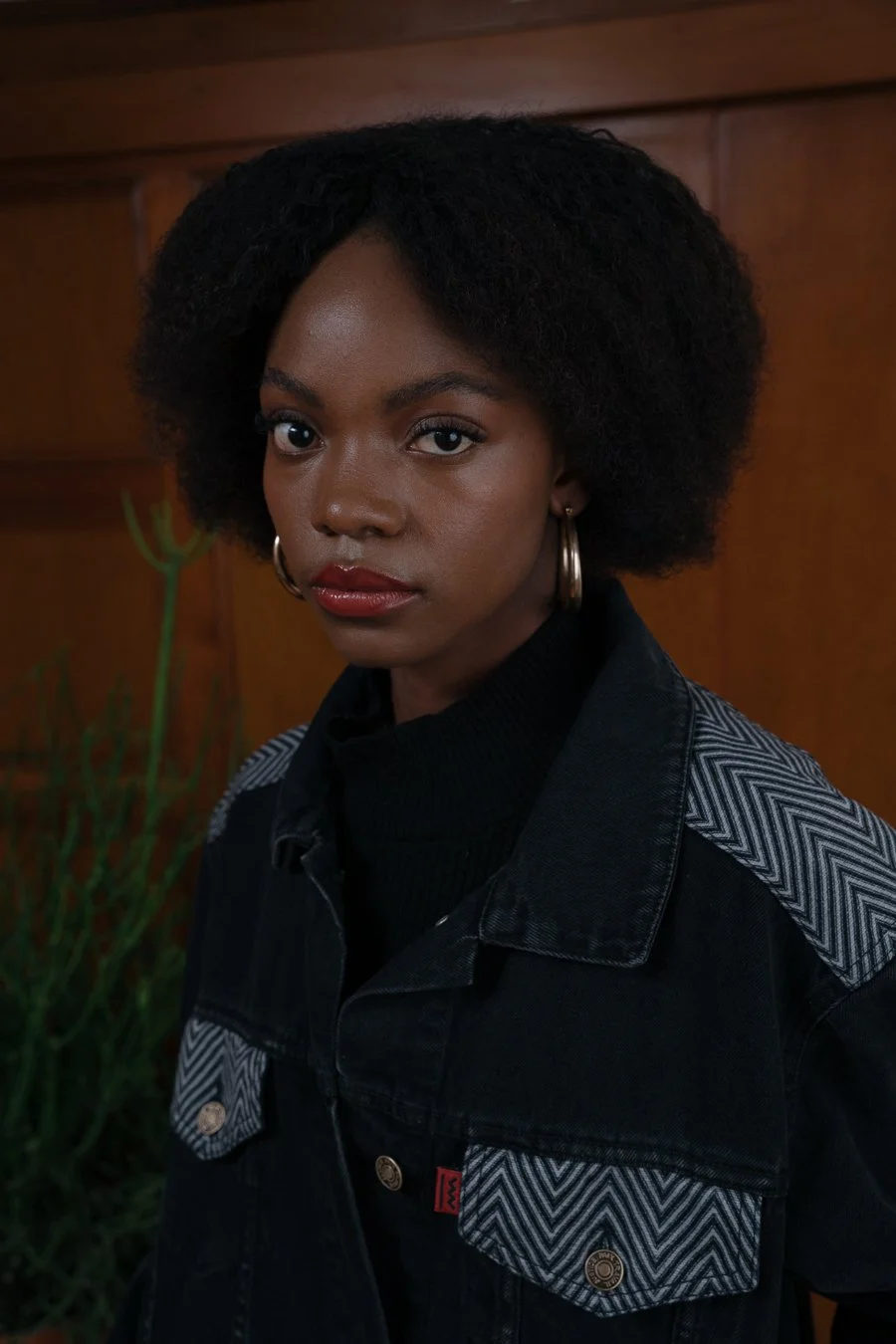
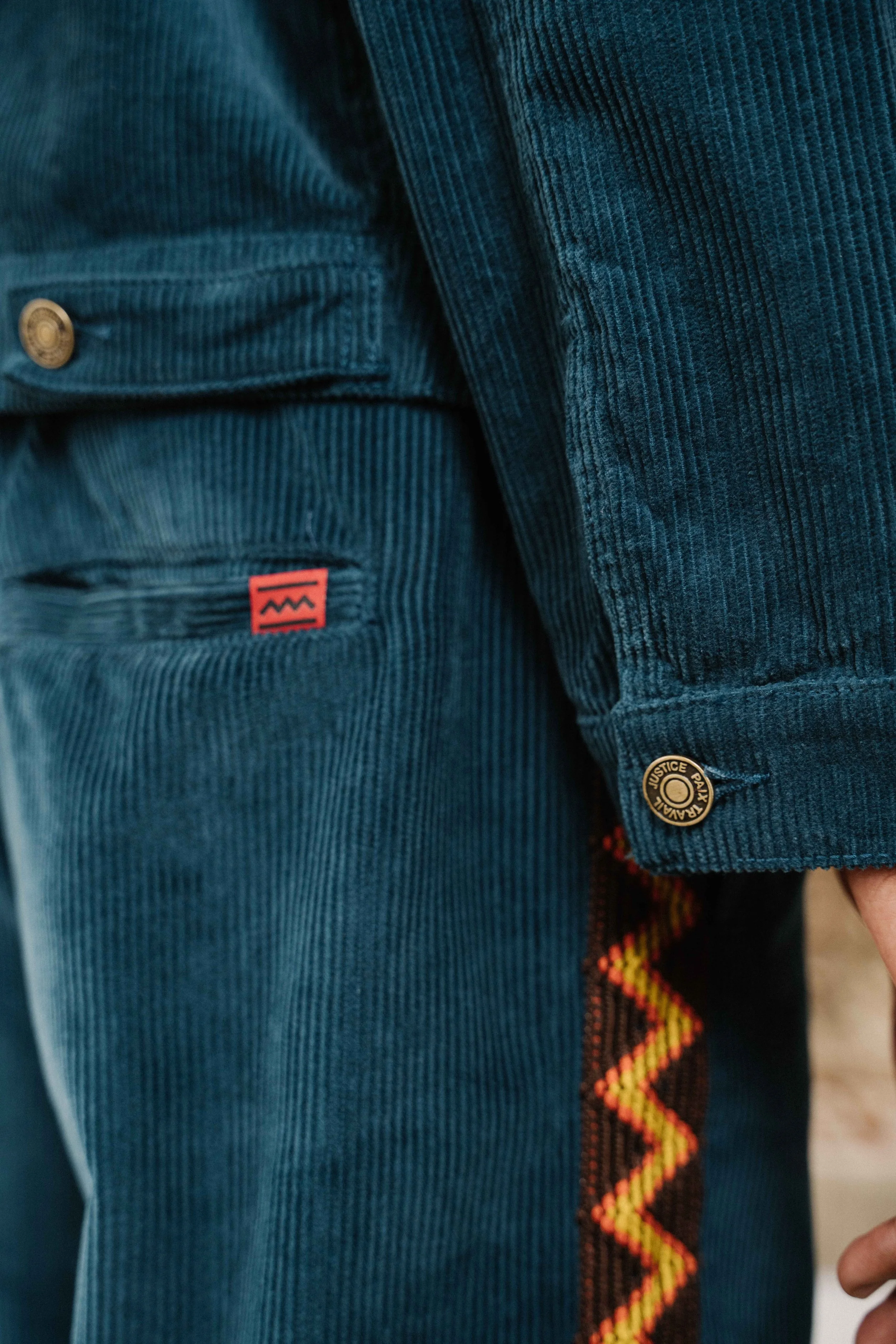
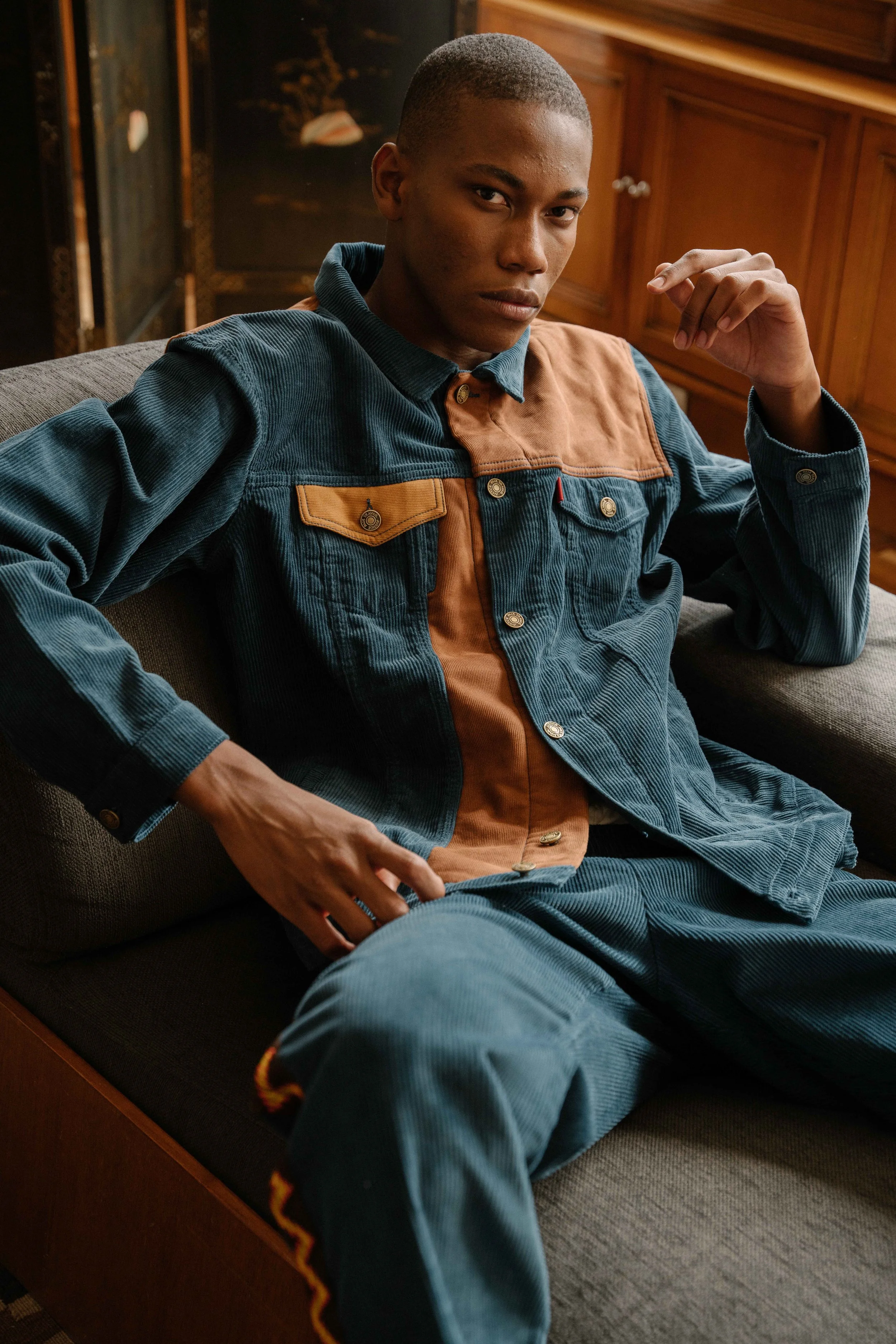
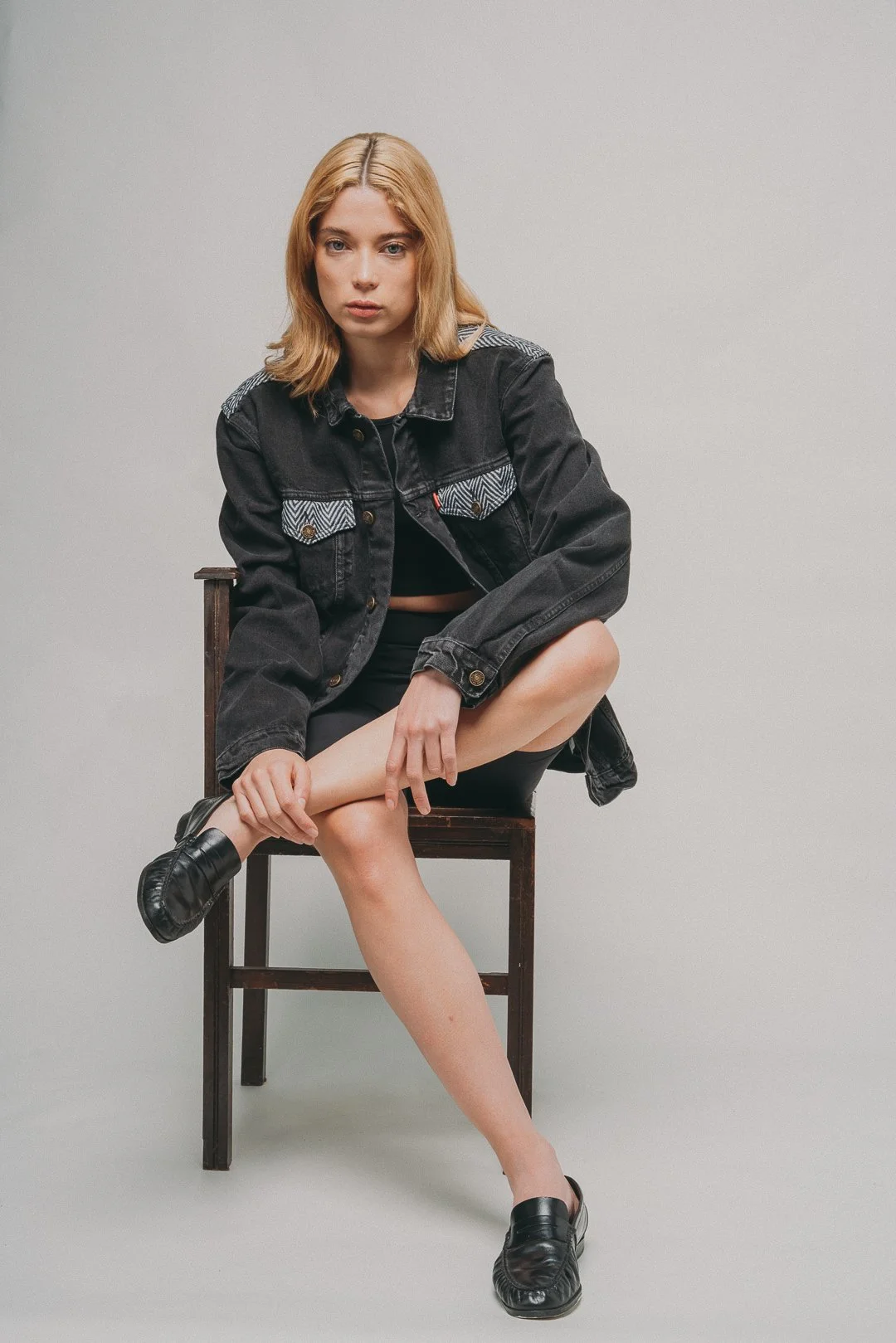
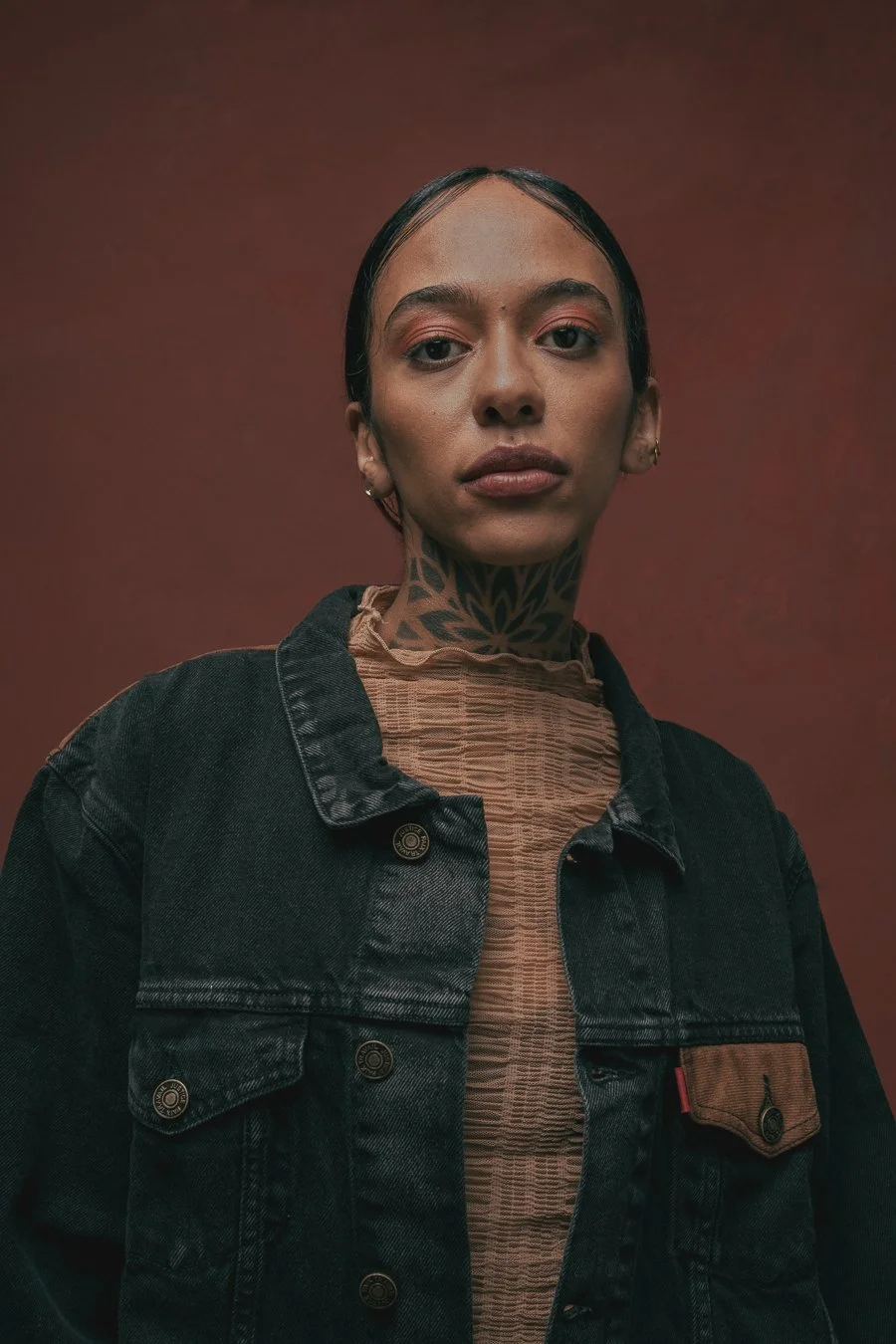
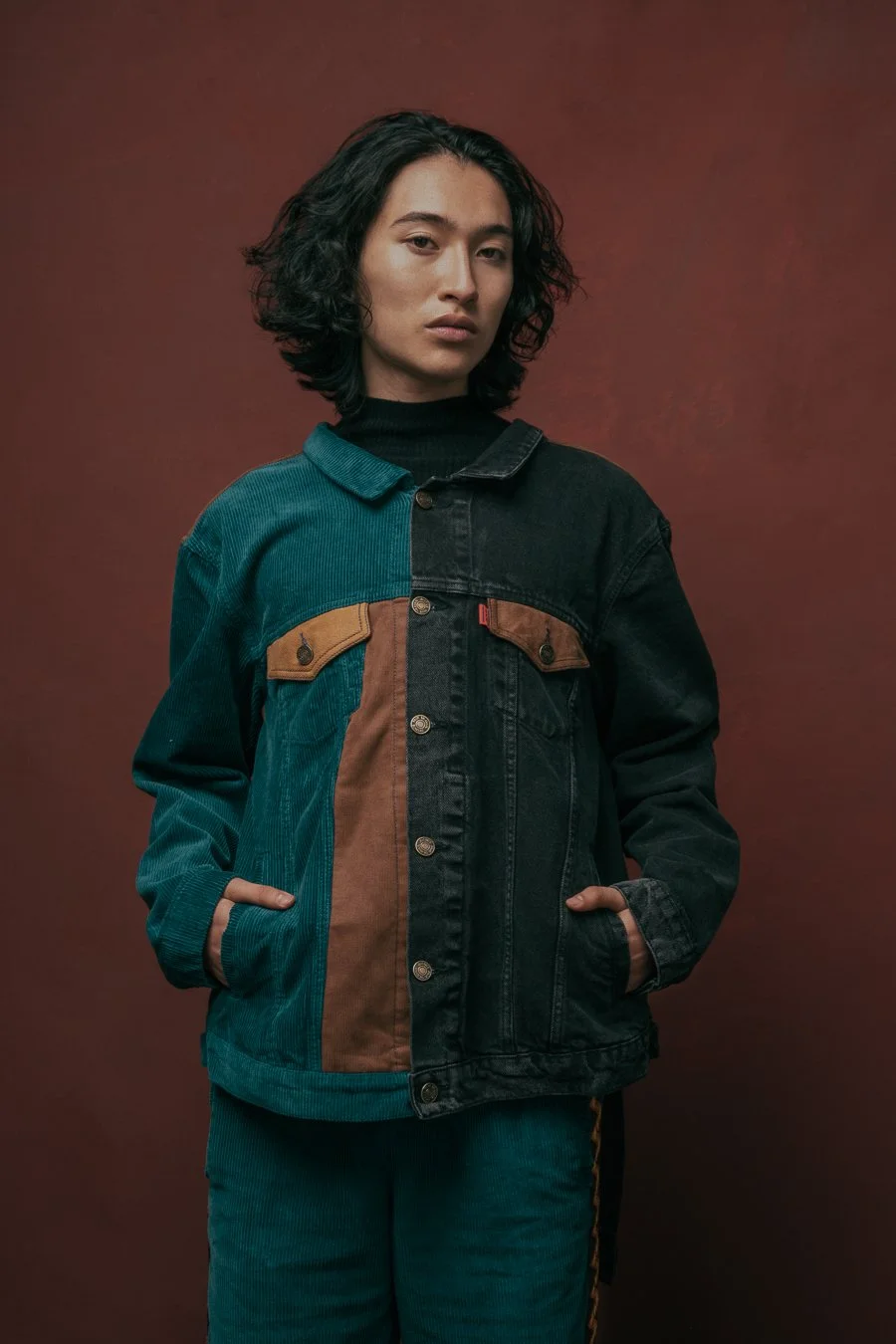
Congo Clothing was born with a mission and a single product: A classic denim jacket infused with subtle Congolese flare. With unit economics built around a 1:1 impact model, every jacket sold funded the donation of a sewing machine for a woman survivor living at Panzi Hospital, funding her training to acquire a trade that could facilitate her path towards financial independence.
When I joined the team as Creative Lead, the brand had a unique DNA, purpose and real stakes, but was missing a visual language, production pipeline, and brand narrative to match the weight of its mission.
Discovery
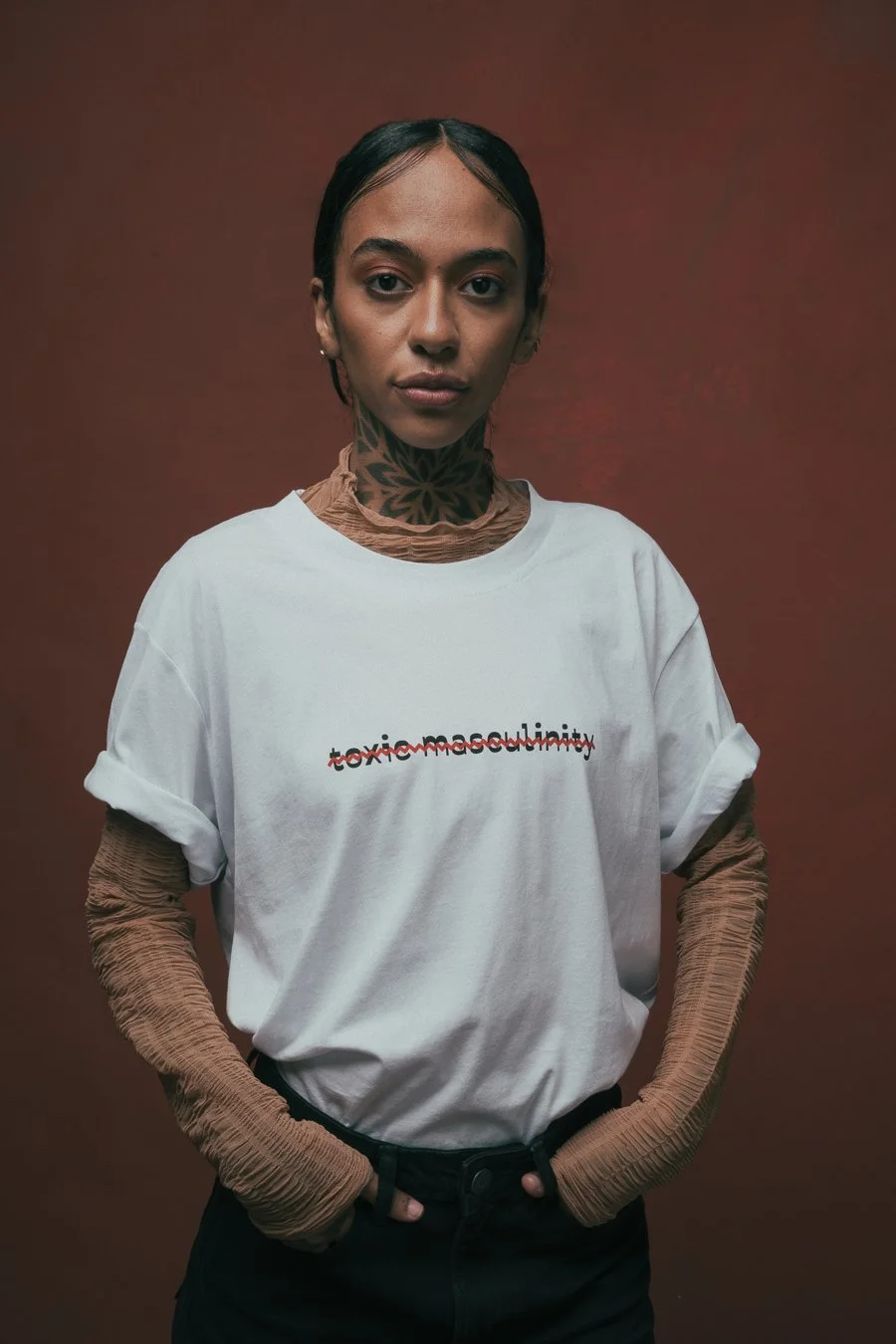
Centering the value proposition so heavily around the 1:1 impact model proved short-sighted. It didn't scale as the product line expanded beyond the jacket into t-shirts, pants, and accessories.
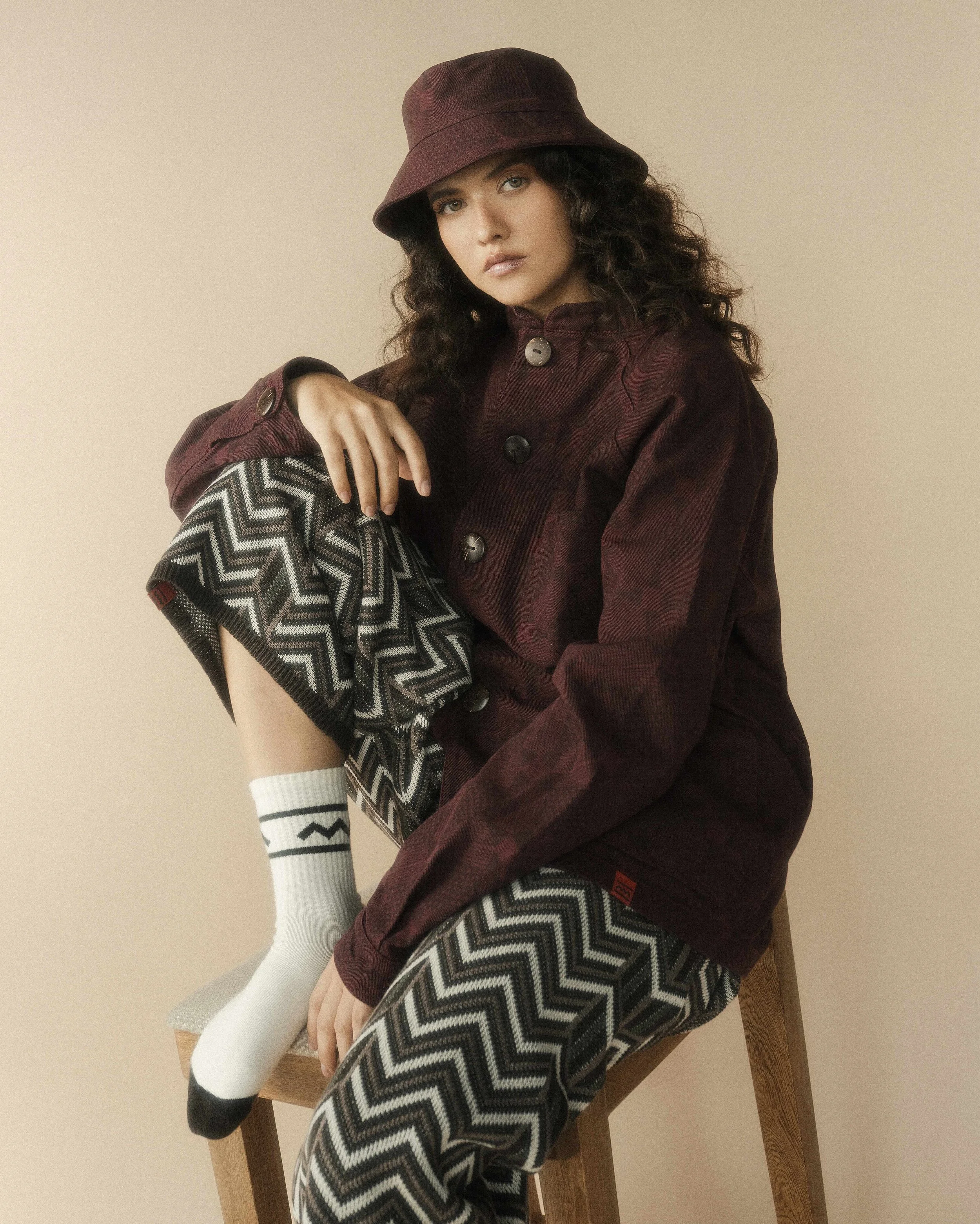
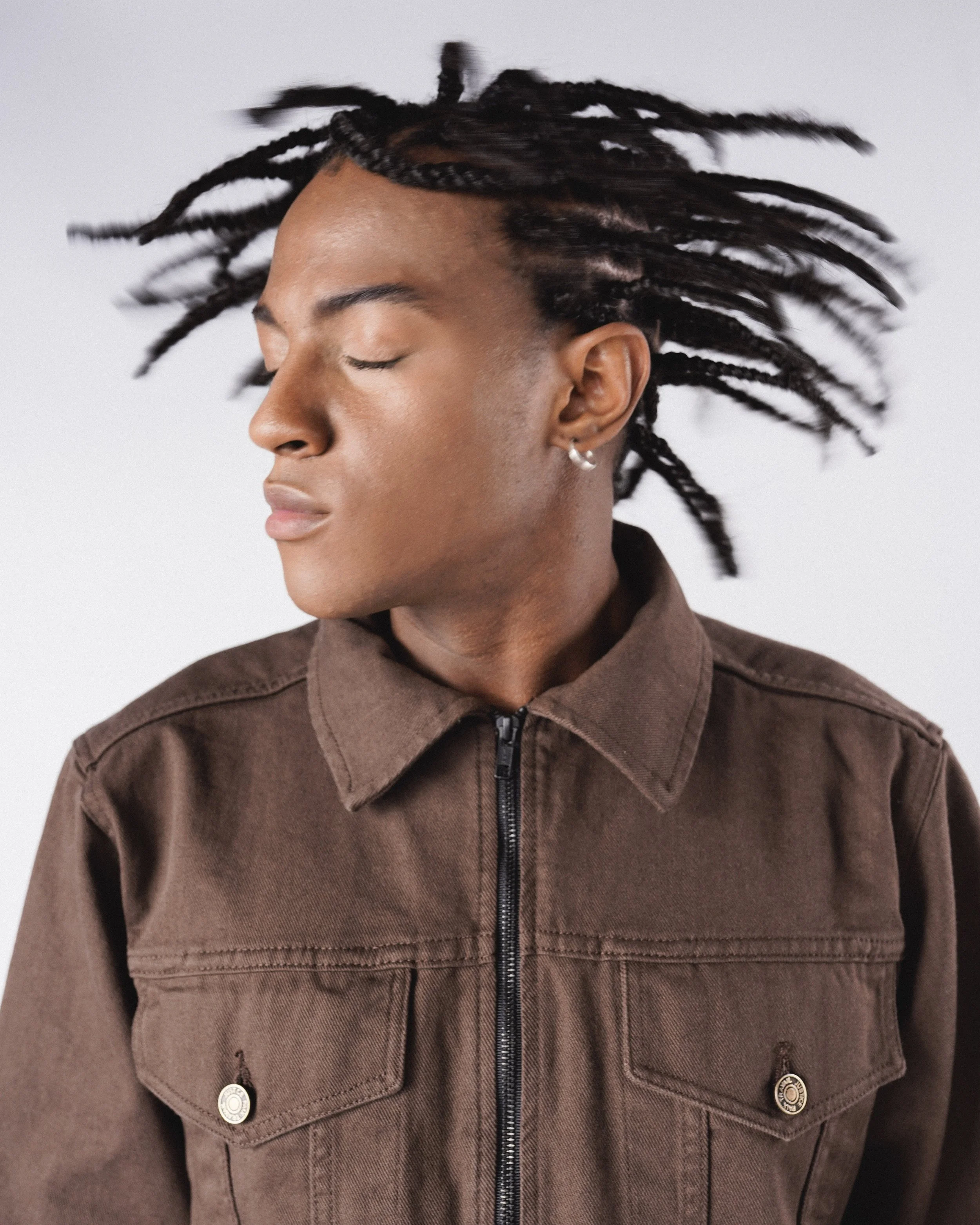
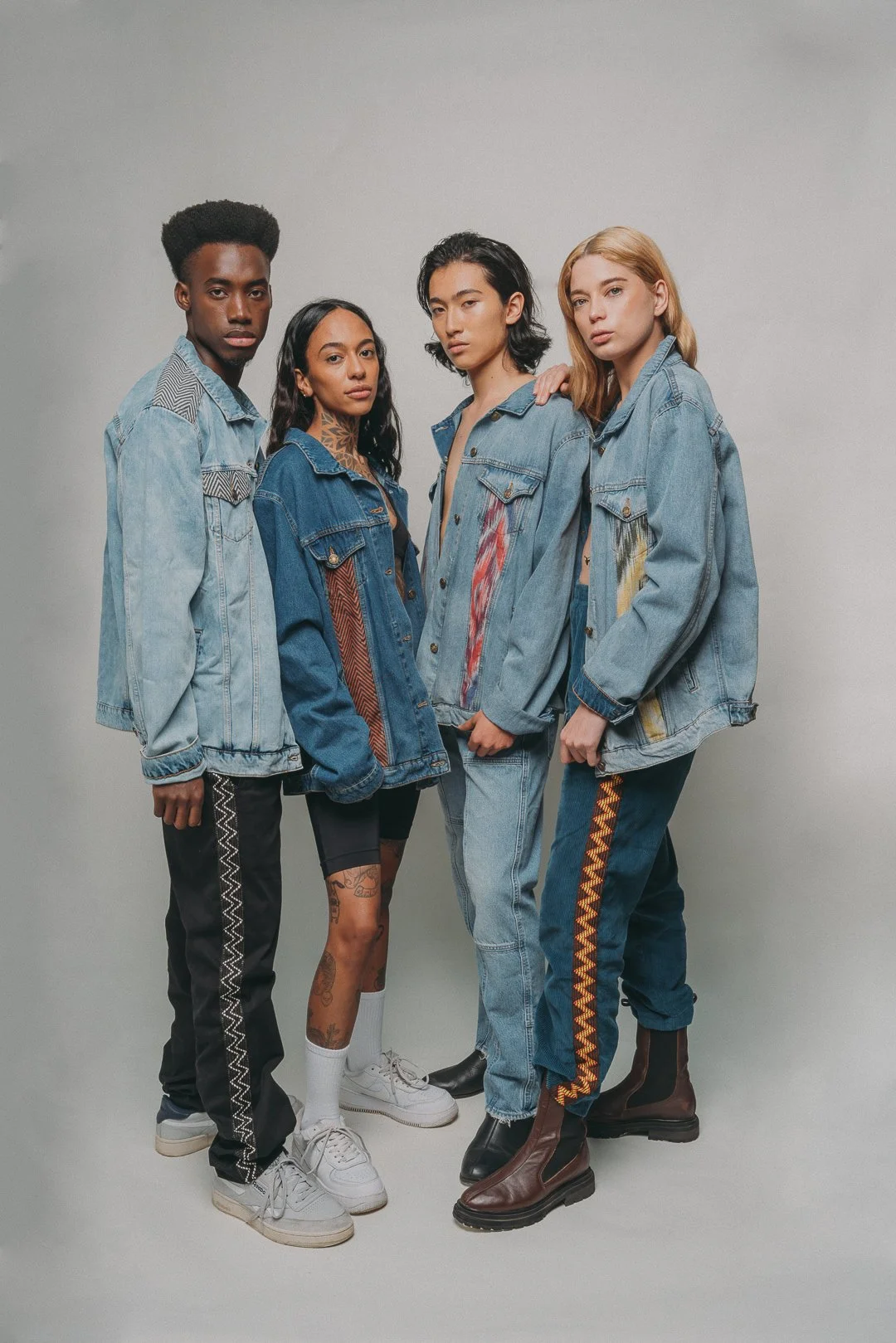
Diversifying the product line democratized the brand and grew a more inclusive community, one that came to embody a recognizable persona: university educated, self-aware, 20 to 35 years old, living in a US coastal city like Miami, Boston, New York, or San Francisco.
The clearest lesson: when you're selling a double value proposition of premium apparel and impact, aesthetics will be the decisive factor in the customer's decision to buy. Investing more in product was the only path forward. Naturally, our community didn’t want to choose between looking good and doing good, the wanted both.
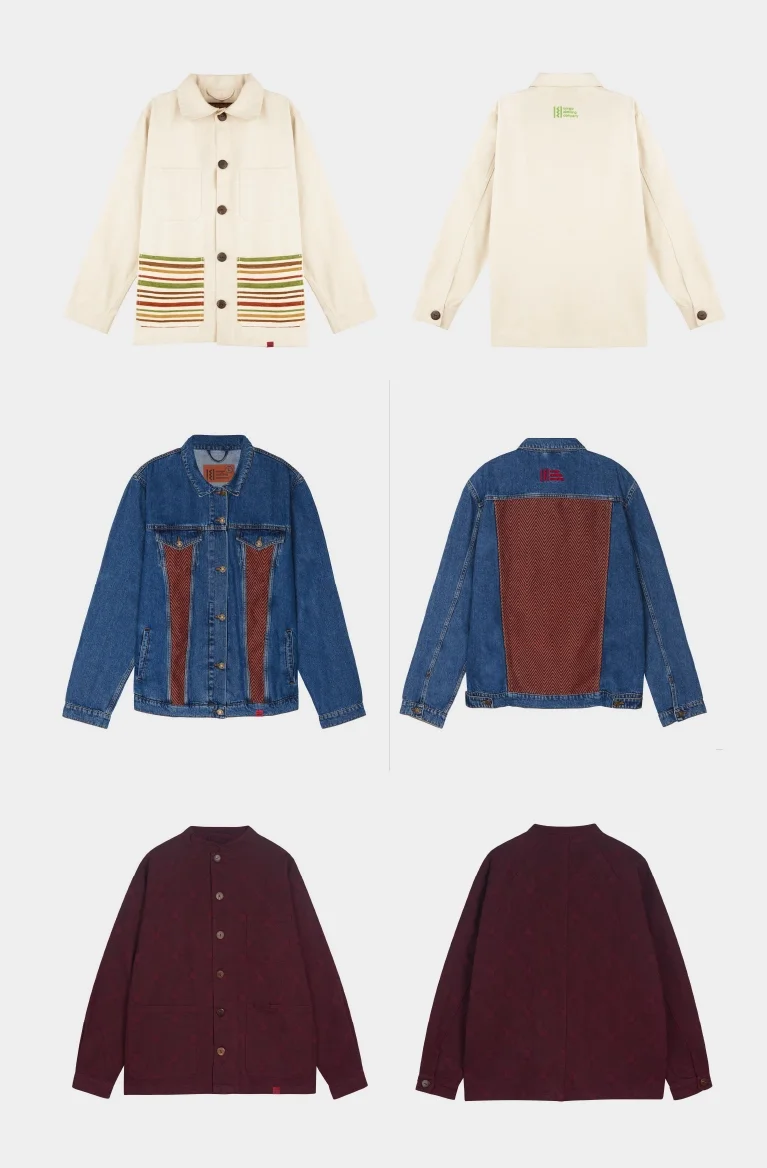
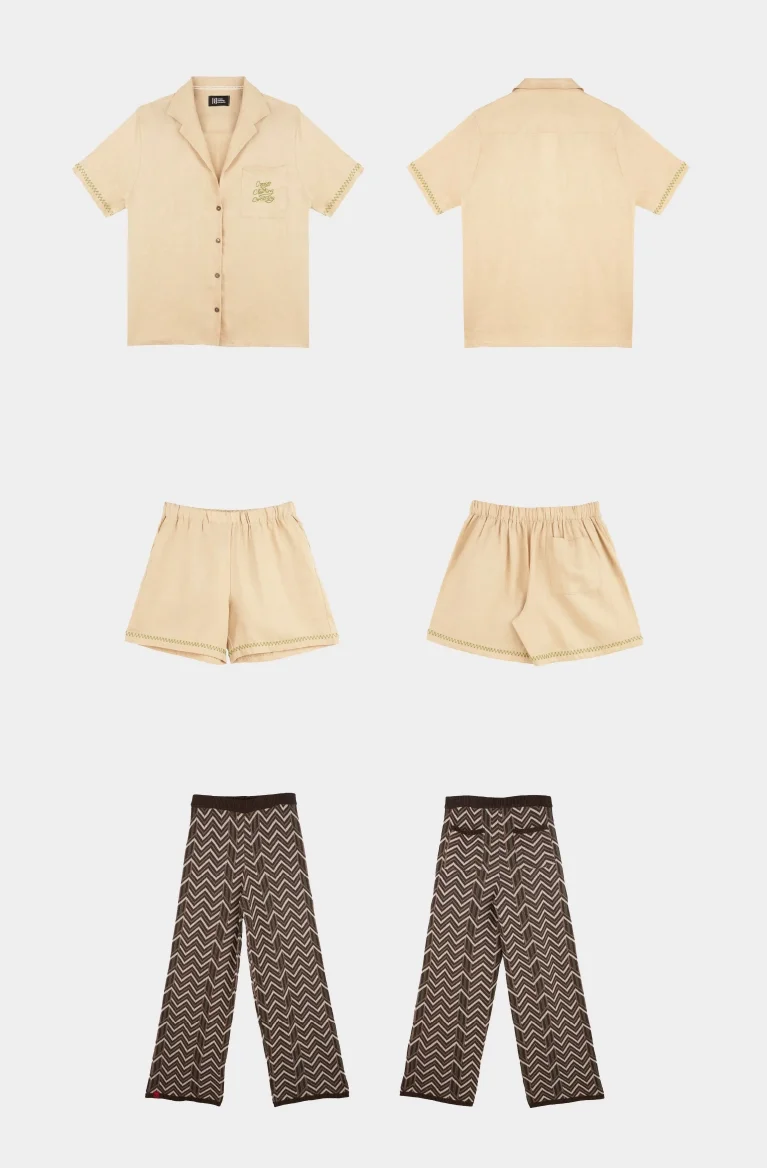
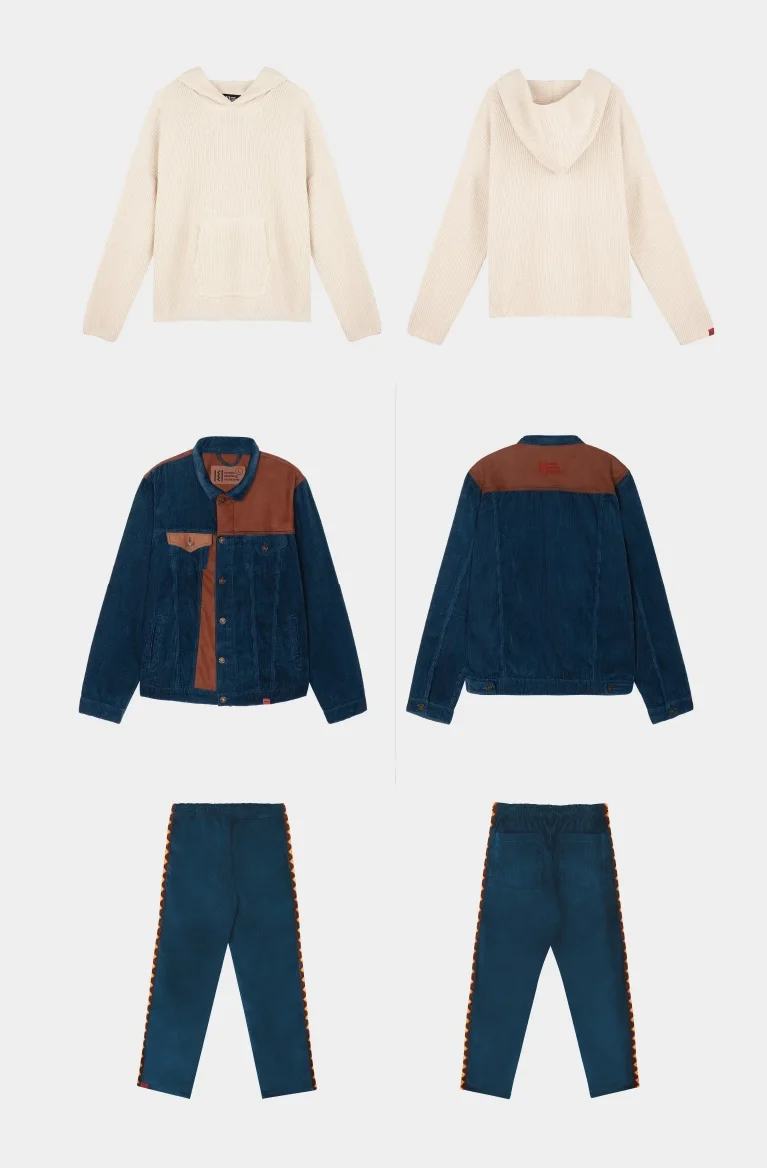
Product
Brand & Design
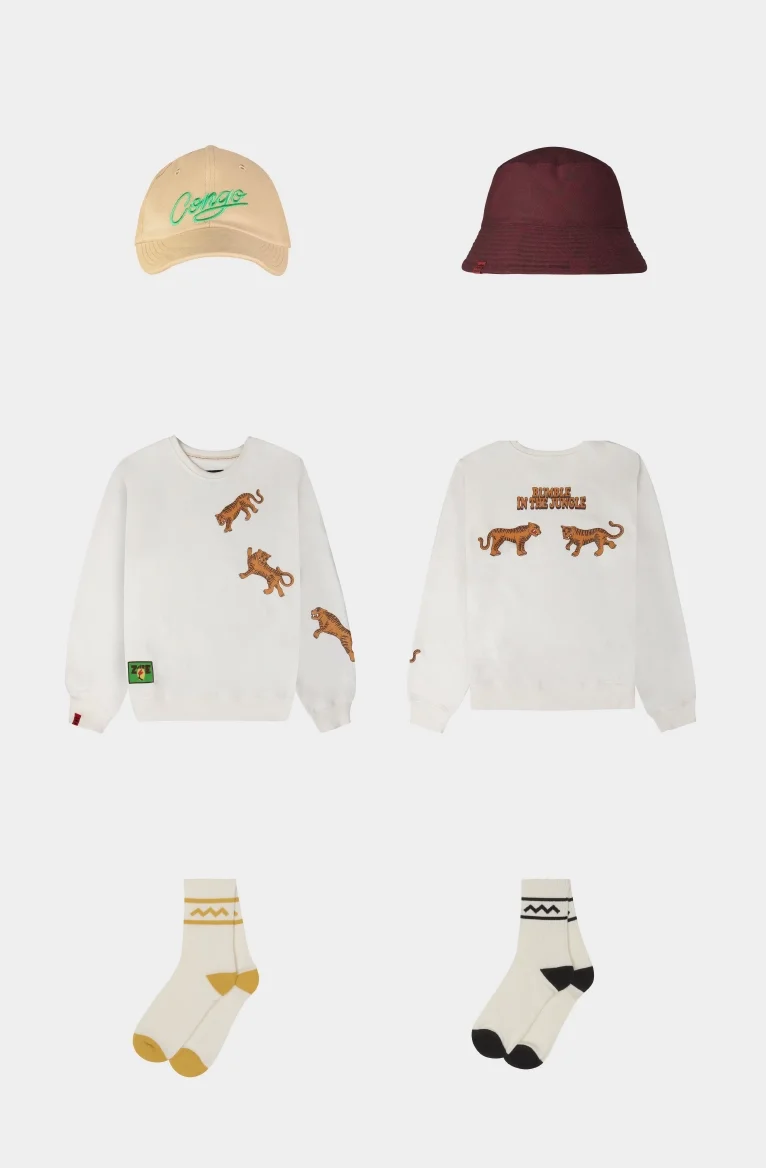
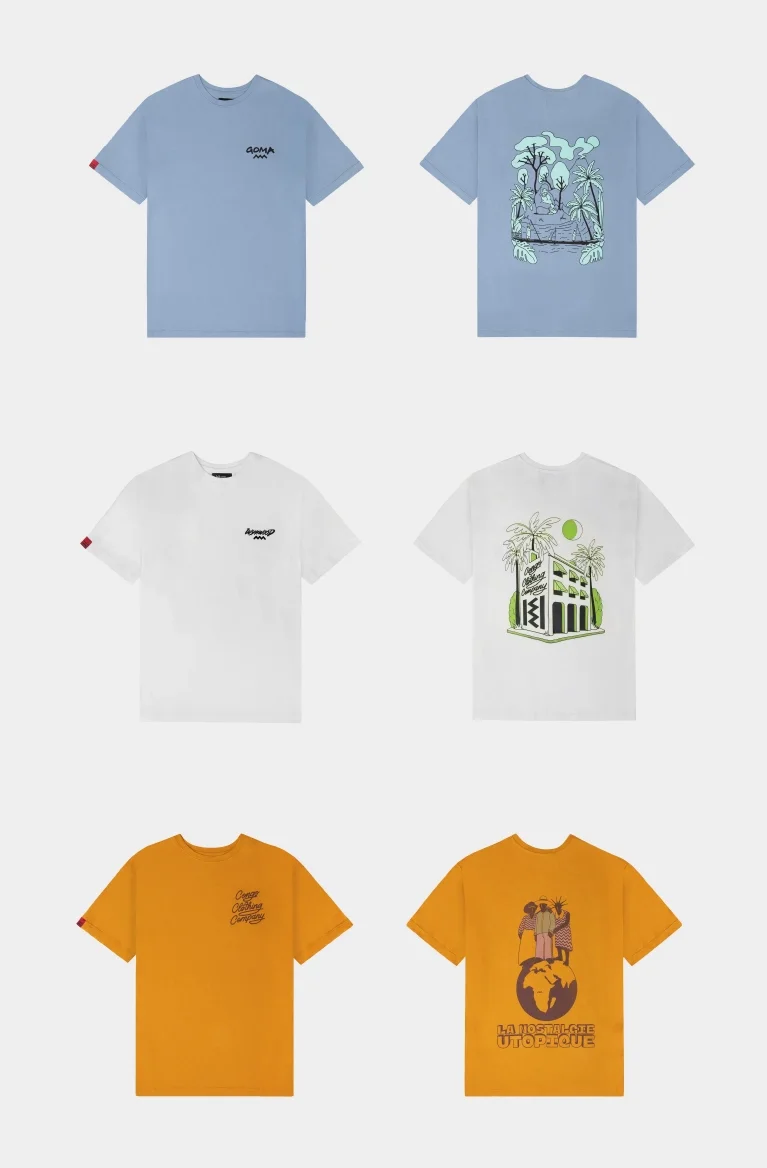
We continuously iterated and improved our silhouettes and outsourced graphics, garment patterns and prints that made our designs feel more distinctive. We settled on a visual language that was toned down, mostly black and white, adhering to industry standards of premium-tiered apparel. We trademarked the tagline "Impact never looked so good," shifting the brand narrative toward messaging that was hopeful, constructive, and celebrated resilience rather than trauma. We also replaced the original 1:1 impact model with a "training days" calculator that was more scalable, giving every customer a clear, quantifiable sense of their impact, no matter the product and the size of the shopping cart.
Experience & Events
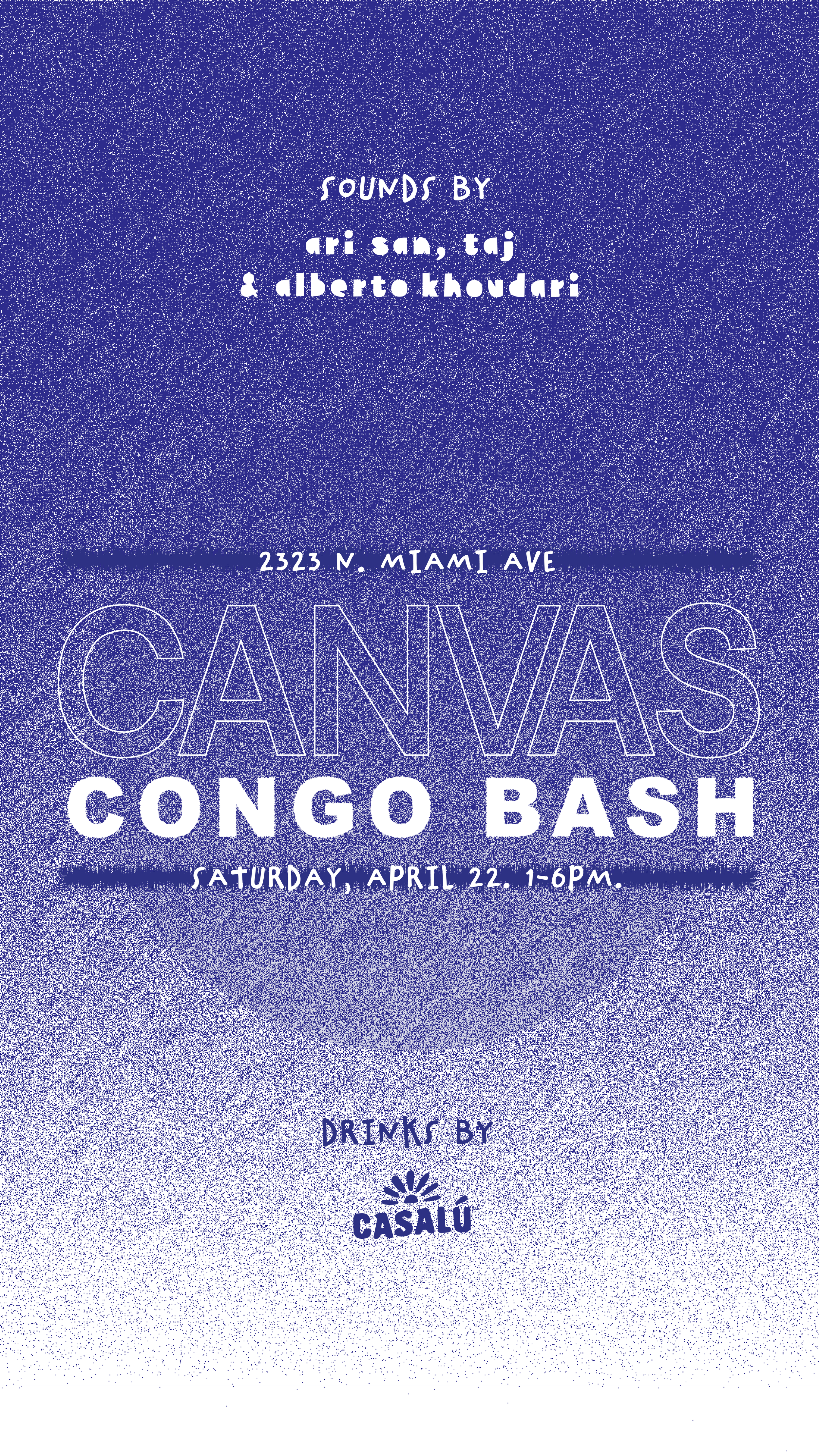
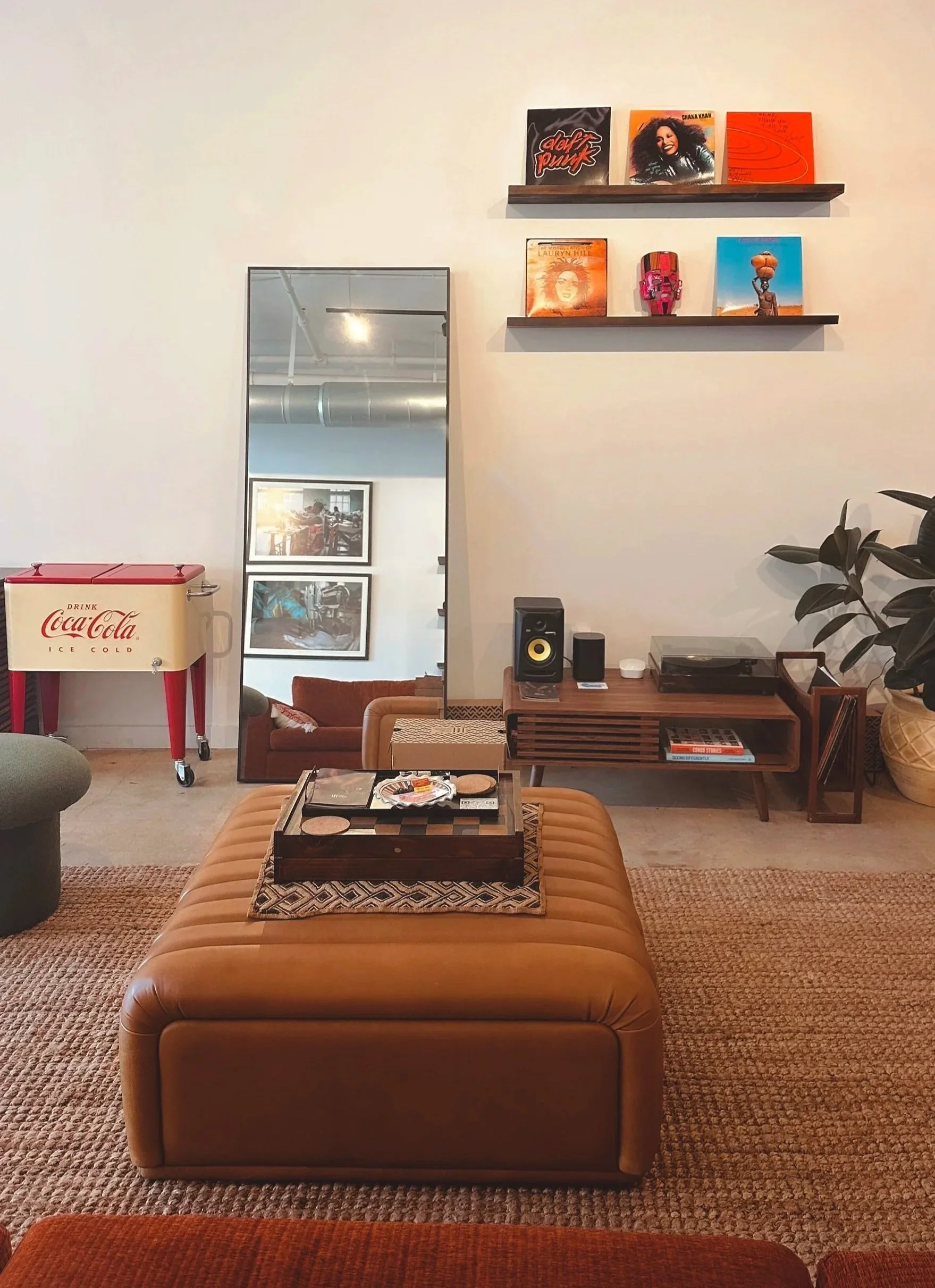
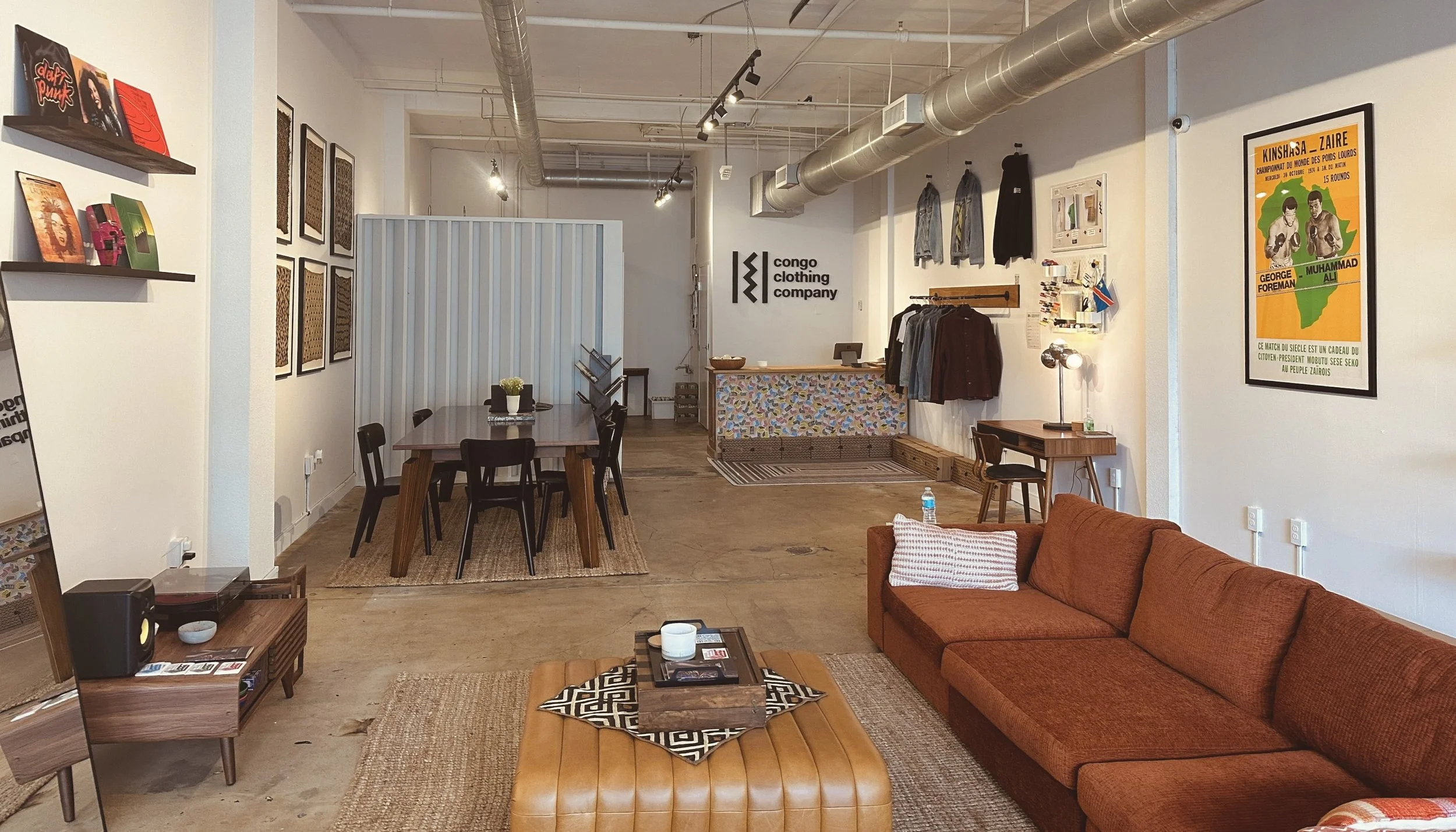
We spent real energy testing what an in-person CCC experience should actually be. We ran Congo Bash, a day party format, three times in Miami, where we were headquartered. We hosted Congo Talks, five intimate gatherings in Miami and Boston with hospitality partners like Soho House and Casa Tua, where our founder went deeper into the humanitarian crisis for people who wanted more than a surface introduction. And we ran eight pop-ups across Miami, Boston, New York, and Bogotá, each one a live test of format, venue, and audience.
Production & Operations
Building out a wider product line, originally conceived as purely B2C, opened the door to a B2B channel that grew our community and our impact exponentially. Adopting a hybrid B2B/B2C model created a positive feedback loop with results to match: by the end of 2022, we had supported 100 women through the purchase of 100 sewing machines. By the end of 2023, that had grown to 5,000 women we had supported through their sewing-training program at Panzi Hospital.
Results
Congo Clothing Company grew from a single denim jacket into a full product line, a hybrid B2B/B2C business, and a flagship store in Miami, with a live footprint across four cities. Our approach to building brand through community, culture, and impact was recognized by MIT's Delta V accelerator. We were also featured in a UN white paper and as a Harvard Business School case study.
5,000 women supported
Through Panzi Hospital's sewing-training program by end of 2023.
30+ silhouettes designed across 5 categories
Jackets, pants, t-shirts, sweaters, shorts, and accessories.
2,500+ units
Produced across 50+ SKUs.
Merchandising designed for 30+ business clients
Piloting the in-house design studio services.
10,000+ units
Produced and shipped.
3 Congo Bash events
200+ people day parties in Miami.
5 Congo Talks
Held in in Mami and Boston, with Soho House and Casa Tua.
8 pop-up activations
Across Miami, Boston, New York, Bogota.
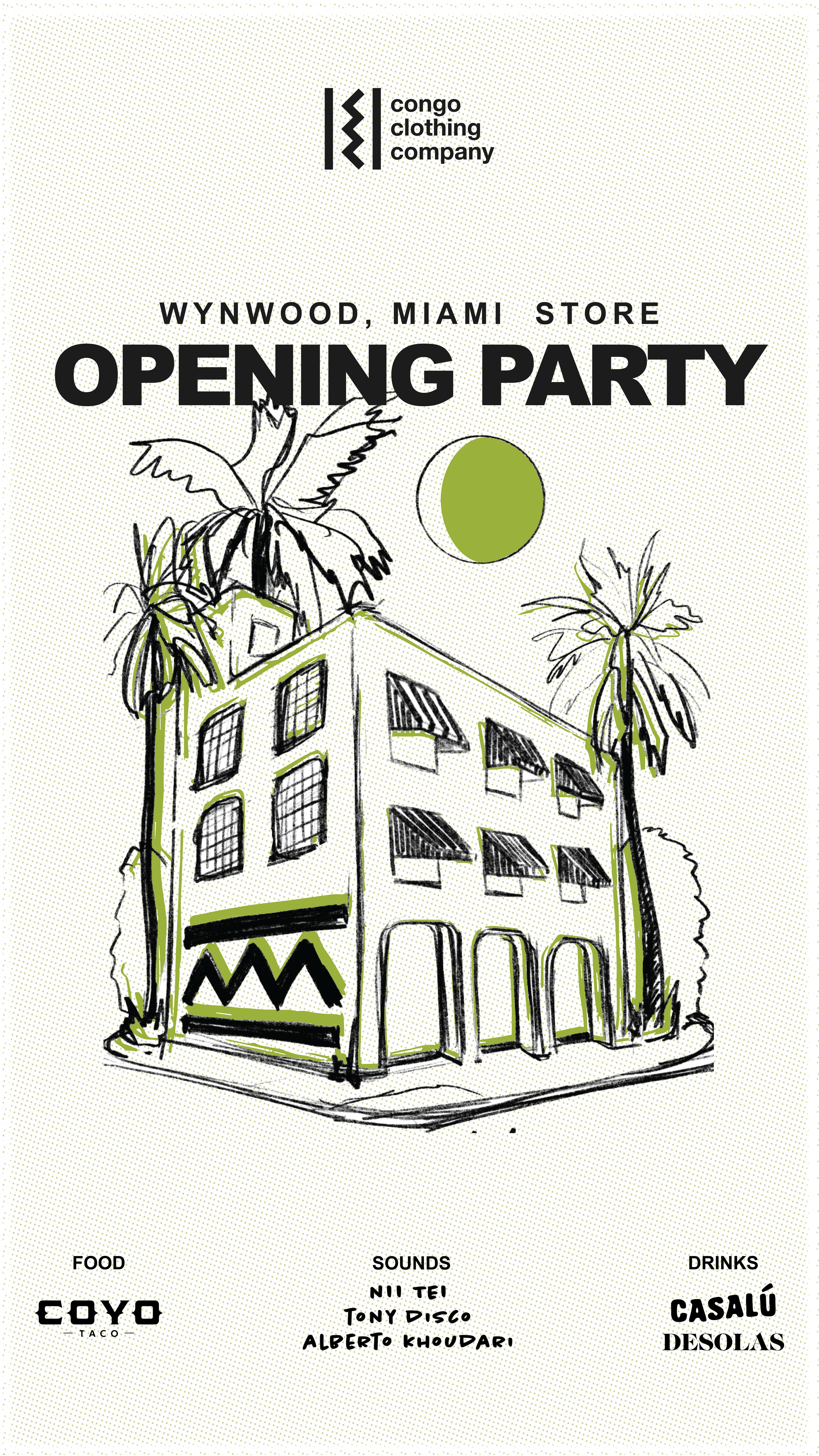
Miami flagship store opening
Design and build-out, home to weekly "Congo Sounds" gathering.